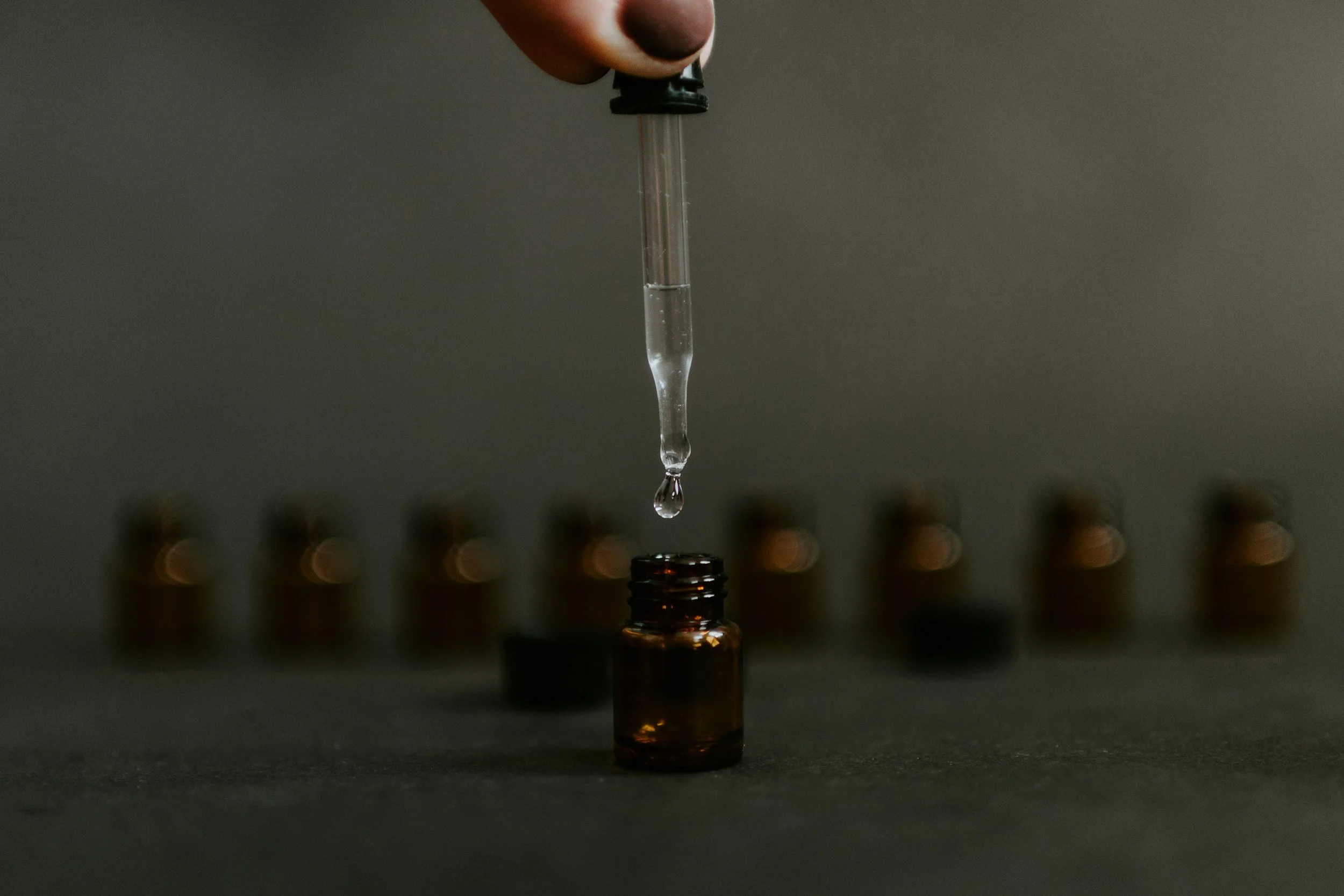
Fragrances
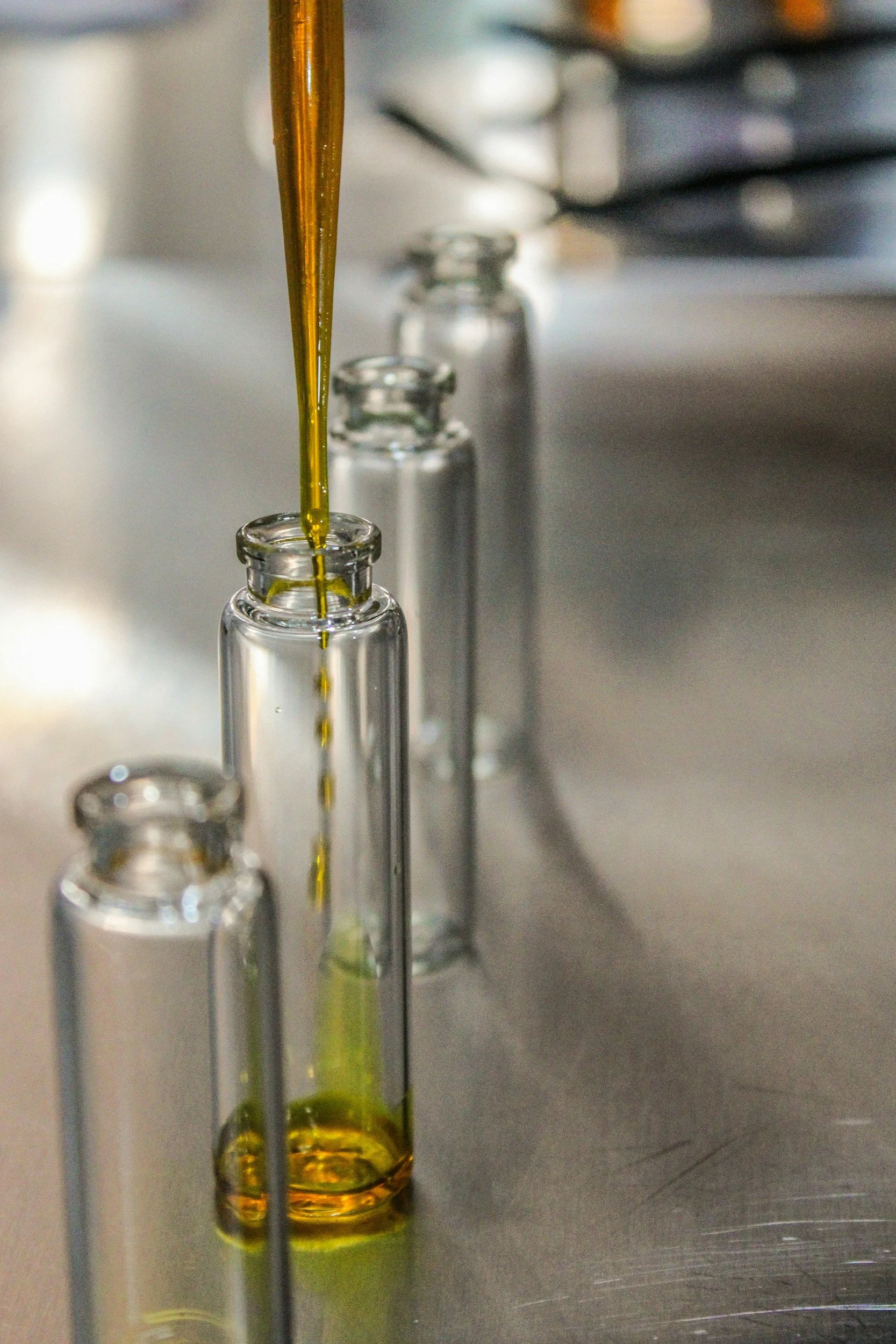
Fragrances are complex mixtures of natural and synthetic compounds added to products to create pleasant scents, mask odors, and evoke emotions. They enhance consumer experiences in cosmetics, cleaning, and personal care products. Proper incorporation requires balancing solubility, using emulsifiers for water-based formulas, and considering volatility for lasting impact.
Key Aspects of Fragrances & Application:
Purpose: Beyond scent, they signify cleanliness and provide psychological benefits like stress relief.
Composition: Formulated using top, heart, and base notes to create a lasting scent profile.
Solubility: Fragrances are either lipophilic (fat-soluble) for oil-based products or hydrophilic (water-attracting).
Application Process: To add to water-based products, emulsifiers (often plant-based) are necessary to prevent separation.
Types & Concentrations: Vary from Parfum (20–30% concentration) to Eau de Cologne (2–4%).
Considerations: Over 34% of people report health issues like migraines or respiratory problems from scented products.
Functions of Fragrances in Products
Masking Odors: Neutralizes the unpleasant chemical smells of raw materials like fatty acids or cleaning agents.
Enhancing Experience: Creates a multisensorial experience that can boost mood, reduce stress, and improve well-being.
Brand Identity: Acts as a "non-visual" marketing tool, helping consumers associate a specific scent with cleanliness, luxury, or a particular brand.
Consumer Preference: Scent is often a primary factor in choosing personal care and cosmetic products.
Adding Fragrances to Formulations
Adding a fragrance requires careful consideration of the product's base and intended use:
Concentration Levels:
Face products: 0.1% – 0.5% (to avoid being overpowering near the nose).
Body products: 0.5% – 1% (lotions, scrubs).
Wash-off products: 1% – 3% (shampoos, conditioners) to ensure scent remains after rinsing.
Solubility and Phase: Fragrances are typically added to the oil phase of a formulation. In water-based products, dispersants or surfactants may be needed to prevent the fragrance from separating.
Stability: Fragrances must be formulated to avoid altering the color, consistency, or stability of the finished product.
Types of Fragrance Materials
Natural Ingredients: Derived from plants (flowers, spices, fruits) or animal sources (e.g., ambergris).
Synthetic Chemicals: Man-made compounds used to create unique scents, ensure consistency, and prolong shelf life.
Fragrance Families: Scents are categorized into families such as Floral, Woody, Oriental/Spicy, Fresh/Citrus, and Gourmand (edible scents like vanilla or chocolate).
Parfum (Extrait de Parfum): The most concentrated and long-lasting, with 20–40% fragrance oils.
Eau de Parfum (EDP): Rich and lasting, typically 15–20% concentration.
Eau de Toilette (EDT): Lighter and more refreshing, around 5–15%.
Eau de Cologne (EDC): Very light, about 2–5%, often used for a quick refresh.
Body Mist or Splash: The most diluted, ideal for subtle scent layering.
Perfumes are also grouped by fragrance families, such as:
Floral: Rose, jasmine, lily.
Oriental: Vanilla, amber, spices.
Woody: Sandalwood, cedar, vetiver.
Fresh: Citrus, green, aquatic notes.
Safety and Regulation
Labeling: Fragrances are often listed under the umbrella term "fragrance" or "parfum" to protect trade secrets.
Sensitive Users: Fragrances can cause allergic reactions, skin irritation, or respiratory issues in some individuals.
Oversight: Organizations like the International Fragrance Association (IFRA) and the Research Institute for Fragrance Materials (RIFM) establish safety standards and guidelines for the industry.
essential oils
Essential oils (EOs) are highly concentrated plant extracts used in products for their therapeutic benefits and natural scents. Unlike synthetic fragrances, they offer bioactive properties such as antimicrobial, anti-inflammatory, and antioxidant effects.
Common Benefits in Products
Skincare: EOs like tea tree and lavender are used to treat acne, soothe inflammation, and provide anti-aging benefits.
Aromatherapy: Scent molecules impact the brain's emotional center, helping to reduce stress, improve sleep, and boost mood.
Natural Preservation: Some oils enhance the shelf life of formulations by preventing lipid oxidation and bacterial growth.
Adding EOs to Products
Because essential oils are extremely potent, they must be handled with care and properly diluted:
Slatkin + Co. +1
Standard Dilution Rates:
Facial products: 0.2% – 1.5%.
Body products (leave-on): 1% – 3%.
Rinse-off products (soaps, shampoos): 1% – 3%.
Household cleaners: Around 2%.
Incorporation Method: EOs are hydrophobic and should be mixed with a carrier oil (like jojoba or almond) or a solubilizer before being added to water-based formulations to ensure even dispersion.
Stability & Storage: Store in dark glass bottles in a cool, dark place to prevent oxidation, which can make oils irritating to the skin.
Safety and Regulatory Standards
Patch Testing: Always test a diluted mixture on a small area of skin for 24–48 hours to check for sensitivity.
Phototoxicity: Some citrus oils (e.g., lemon, bergamot) can cause severe burns if the skin is exposed to UV light after application.
Labeling: For commercial products, the International Fragrance Association (IFRA) provides strict maximum usage levels for individual chemical components within EOs to ensure safety.